


Loneliness is one of the most common experiences for adults in their 60s, 70s, and beyond. It doesn’t always look like sadness. Sometimes it’s a quiet ache. Sometimes it’s the feeling that the world has shifted while you stayed still. Sometimes it’s simply the absence of the voices, routines, and relationships that once filled your days. This season of life brings changes that most people never talk about, but almost everyone feels.
A Story Many People Recognize

Meet Elaine. Elaine is 72. She’s independent, sharp, and still drives herself everywhere. Most people would describe her as strong. But after her husband passed three years ago, the house felt different. Not unbearable, just quiet in a way she never expected.
Her days were full of small moments she didn’t mention to anyone: making coffee for one, sitting in the same chair every morning, scrolling through her phone hoping someone texted, feeling tired of being the one who always reaches out. Sundays were the hardest.
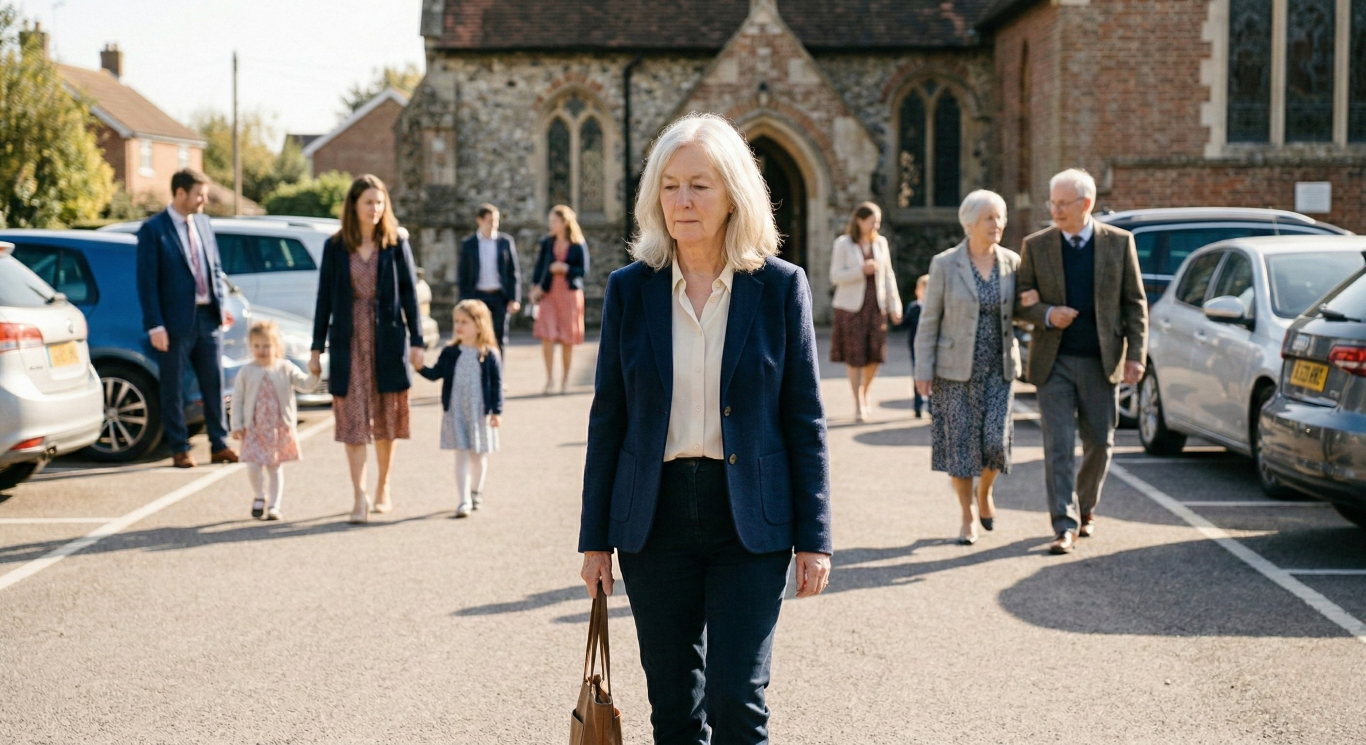
For decades, she and her husband had a rhythm, church in the morning, then lunch afterward with another couple or two. It wasn’t fancy. Sometimes it was just a diner or a sandwich shop. But it was theirs. It was connection. It was laughter and conversation and the comfort of being known. Now she walks out of church, smiles politely, and heads to her car alone. She watches other couples and families gather in the parking lot, deciding where to go for lunch. She sits behind the wheel for a moment, hands resting on the steering wheel, and wonders how she ended up here, how life shifted so quietly that she didn’t notice until the loneliness settled in.

She wasn’t depressed. She wasn’t “struggling.” She was simply lonely in a way she didn’t know how to name. And she felt a little embarrassed by it, unsure how to explain that she missed something as simple—and as sacred—as having someone to go to lunch with after church. One afternoon, after leaving the grocery store, she realized she hadn’t spoken to another person all day. That moment stayed with her. It wasn’t dramatic. It was just real. When she finally reached out for support, she didn’t say, “I’m lonely.” She said, “I just don’t feel like myself anymore. ”And that was enough.
Why Loneliness Becomes More Common Later in Life
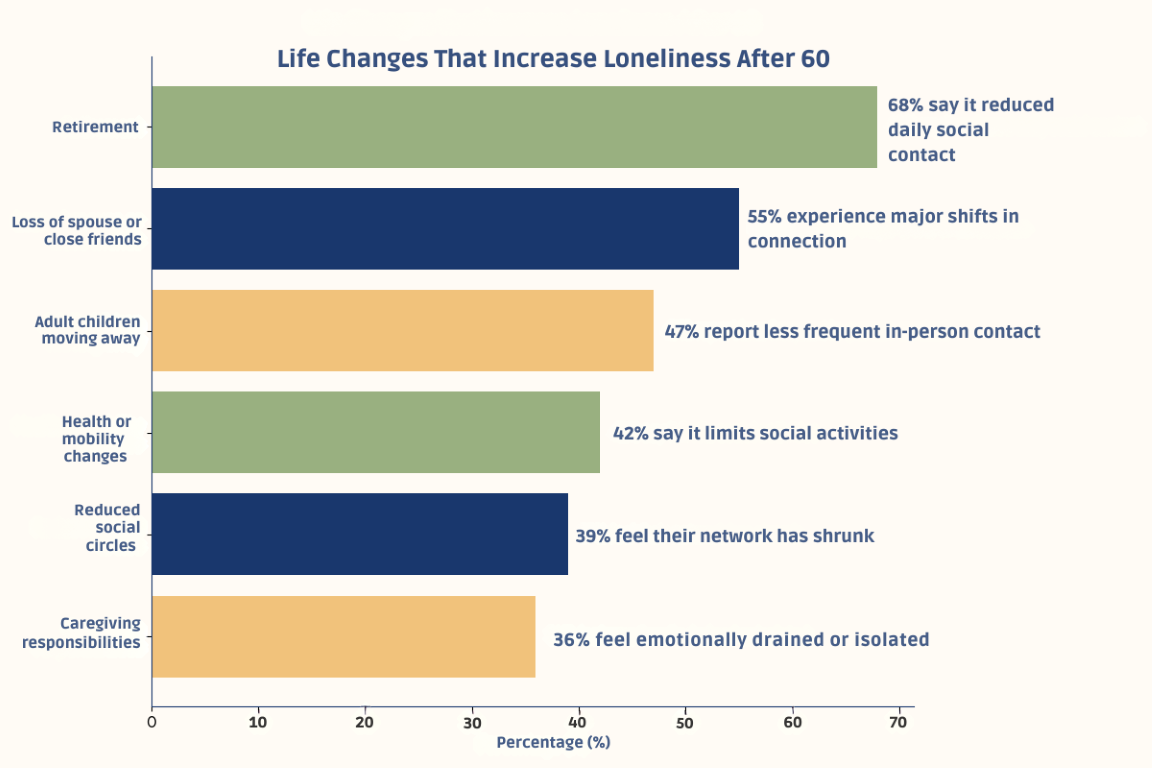
Loneliness in later life isn’t caused by one thing. It’s a combination of shifts that accumulate over time.
- Retirement changes daily structure, removing built‑in social contact.
- Friendships shift as people move, become ill, or pass away.
- Health or mobility changes make outings harder.
- Caregiving responsibilities take emotional energy and time.
- Adult children’s lives get busier, and schedules rarely align.
- Losses accumulate, and grief makes reaching out feel overwhelming.
These experiences are deeply human. They don’t mean someone is doing anything wrong, they mean life has changed, and the heart is adjusting.
What Loneliness Feels Like (Even When You Don’t Call It Loneliness)
Many older adults describe loneliness in ways that don’t sound like loneliness at all:
- “I feel disconnected.”
- “I don’t want to bother anyone.”
- “I miss having someone to talk to.”
- “I’m tired of doing everything alone.”
- “I feel invisible.”
These feelings are not signs of weakness. They’re signs of being human.
A Visual Snapshot of Loneliness

How Counseling Helps People Reconnect With Themselves and Others
Counseling isn’t about fixing you. It’s about giving you a place to talk through the changes you’ve lived through, changes that most people underestimate.

Many adults 65+ say counseling helps them:
- feel emotionally grounded again
- rebuild confidence and purpose
- process grief or transitions
- reconnect with their identity
- find new ways to build meaningful relationships
- feel less alone in their day-to-day life
It’s a space where you don’t have to be strong, upbeat, or “fine.” You can simply be human.
You Don’t Have to Carry Loneliness Alone
Loneliness doesn’t mean you’re weak. It means you’re human. It means your heart remembers connection and misses it. It means you’ve lived a life full of relationships, routines, and meaning—and you deserve support as you navigate what comes next. At Arkham Rise Counseling, our licensed professionals walk with you through seasons of change with warmth, respect, and confidentiality. Whether you’re processing grief, adjusting to new routines, or simply feeling disconnected, you’ll have a safe place to talk and reconnect with yourself.

You can schedule a session by phone or online—whichever feels easiest.
Your well‑being matters. Your story matters. And you don’t have to walk through this season alone.